
Understanding the psychological effects of gambling on decision-making processes
Understanding the psychological effects of gambling on decision-making processes
The Nature of Gambling and Decision-Making
Gambling inherently involves risk-taking and the potential for significant emotional and financial outcomes. The decision-making process in gambling is deeply influenced by psychological factors such as cognitive biases, risk perception, and emotional responses. Understanding these elements helps to clarify why individuals may pursue gambling despite the risks involved. Additionally, you can discover the best non gamstop casinos 2026 for more engaging experiences.
When engaging in gambling, players often rely on heuristics—mental shortcuts that simplify decision-making. For instance, the gambler’s fallacy leads individuals to believe that previous outcomes affect future results, which can skew their judgment and decision-making. This cognitive distortion is just one of many that can create a false sense of control over unpredictable situations.
The Role of Emotions in Gambling Decisions
Emotions play a crucial role in the decision-making processes of gamblers. Excitement, anticipation, and even the fear of loss can drive individuals to make impulsive decisions. The thrill associated with potential wins can lead to a state of euphoria, which may cloud judgment and result in risky behaviors.
Furthermore, the experience of loss can evoke strong emotional responses, sometimes leading to chasing losses. This behavior reflects a desire to regain lost money, often leading to even more significant losses. The emotional rollercoaster of winning and losing makes it challenging for individuals to maintain rational decision-making in gambling scenarios.
Cognitive Dissonance and Justification in Gambling
Cognitive dissonance occurs when a person’s beliefs are contradicted by their actions, leading to psychological discomfort. In gambling, this can manifest as the justification of losses. Gamblers may convince themselves that their next bet will lead to a win, despite previous losses. This mindset can perpetuate a cycle of gambling that is difficult to break.
Individuals often rationalize their decisions by focusing on past successes while downplaying failures. This selective memory reinforces their belief in their gambling skills and can lead to continued participation, even when the odds are stacked against them. Understanding this phenomenon is vital for recognizing the psychological traps that can ensnare gamblers.
The Impact of Environment on Gambling Decisions
The environment in which gambling occurs significantly influences decision-making processes. Factors such as peer pressure, the design of gambling venues, and even advertising strategies play critical roles in shaping behaviors. Social settings can heighten the excitement and urgency of gambling, prompting individuals to make impulsive decisions.
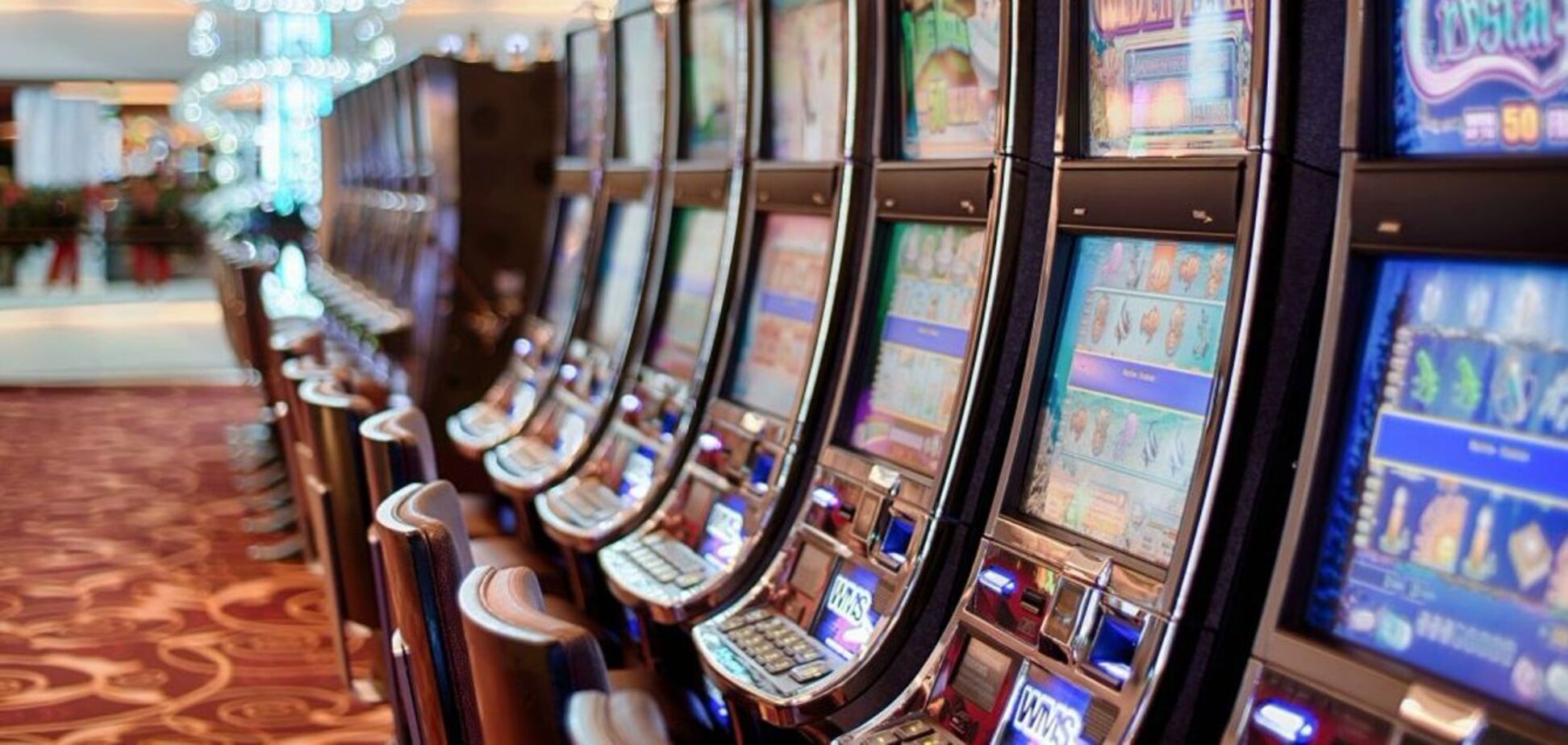
Moreover, the design of online and physical gambling establishments often employs psychological tactics to encourage prolonged play. Features like bright lights, sounds, and the availability of alcohol can create an immersive environment that distracts from rational thinking, further impairing decision-making capabilities.
Expert Insights on Responsible Gambling
Understanding the psychological effects of gambling on decision-making is essential for promoting responsible gambling practices. Recognizing the influence of cognitive biases, emotional responses, and environmental factors can empower individuals to make more informed choices. By fostering awareness of these psychological dynamics, stakeholders in the gambling industry can develop resources and support systems aimed at minimizing harm.
It is crucial for players to seek guidance and resources that encourage responsible gambling behaviors. Through education and awareness, individuals can learn to recognize the signs of problematic gambling and take proactive steps to protect themselves from its adverse effects. Engaging with expert resources can lead to healthier decision-making processes and a more sustainable gambling experience.